Behind the Scenes of Post Malone's Feeling Whitney: Embracing Raw Emotion
- nicolas Essig
- Jan 31
- 3 min read
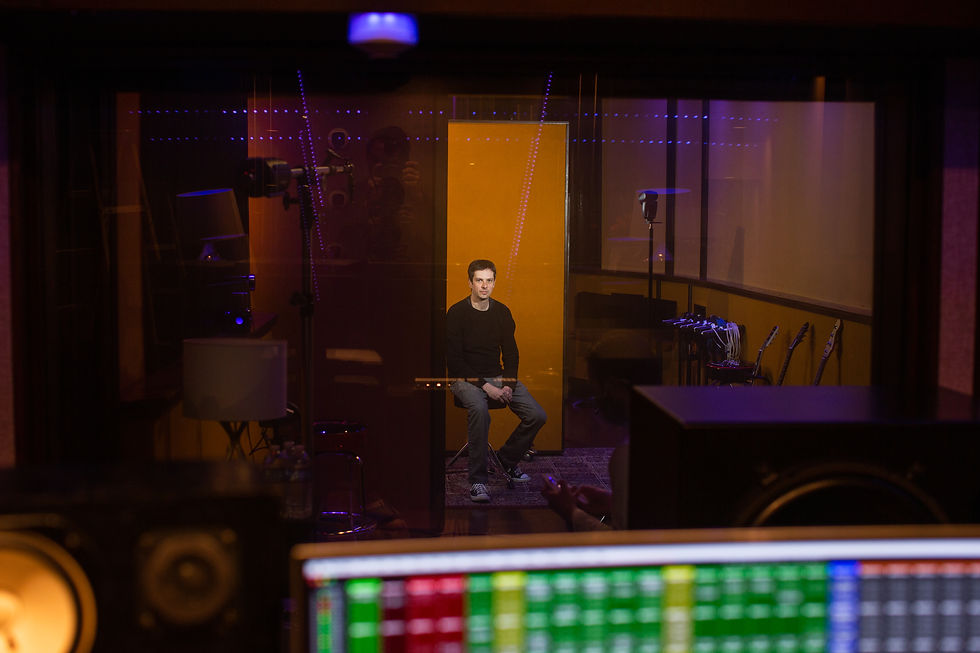
Post Malone’s track "Feeling Whitney" stands out not only for its emotional depth but also for the unique way it was recorded. The session took place at the iconic Henson Recording Studios, a place known for its rich history and creative atmosphere. What makes this recording session particularly interesting is the deliberate choice to forgo traditional isolation booths, focusing instead on capturing raw emotion and organic sound. This blog post explores the energy of the studio, the creative process between Post Malone and producer Andrew Watt, and the technical challenges they overcame to bring "Whitney" to life.
The Unique Energy of Henson Recording Studios
Henson Recording Studios, located in Los Angeles, has a reputation for inspiring artists with its blend of classic charm and modern technology. The studio’s spacious rooms and vintage equipment create an atmosphere that encourages musicians to relax and connect deeply with their music. For Post Malone and Andrew Watt, this environment was the perfect backdrop to experiment with a more natural and emotional recording style.
Unlike many modern studios that rely heavily on digital tools and isolation booths, Henson’s rooms invite collaboration and spontaneity. The vibe is less about perfection and more about feeling, which aligned perfectly with the vision for "Whitney." This energy helped Post Malone deliver a performance that feels intimate and genuine, capturing the nuances of his voice and emotion.
Ditching the Booth for the Couch
In modern recording, there’s a tendency to over-sanitize. You put the singer in a soundproof glass box, the producer stays behind the console, and you stack layers until the "perfection" kills the vibe.
For "Whitney," Post and producer Andrew Watt had a completely different vision. They weren't looking for clinical perfection; they were chasing a feeling. Instead of splitting up, Post and Andrew took a seat right next to each other on the couch in the middle of the live room. No isolation booths, no sterile separation—just two creatives fueled by the moment.
The Technical Challenge: Managing Bleed
When you have two people singing and playing in the same space, the biggest hurdle is "bleed"—the sound of the guitar leaking into the vocal mic and vice versa. To capture that "organic" essence without losing control in the mix, I had to get strategic with my polar patterns.
The Vocal Chain: I opted for the classic Neumann U 87 Ai for the vocals. I set them to a Figure-8 polar pattern. By positioning the "null" points of the microphones toward the guitars, we were able to reject as much of the instrument sound as possible while Post and Andrew performed.
The Guitars: To capture the richness of the strings, I used a pair of AKG 451s. These were close-miked in a stereo configuration to ensure we caught every nuance of the strumming.
By dialling in the rejection on the U 87s, we achieved a surprising amount of separation for such an intimate setup. It allowed the dynamic and delivery to come entirely from the performance itself, rather than from post-production tweaks.
Why It Matters
In an era of heavy pitch correction and programmed drums, "Whitney" stands out because it breathes. It’s raw, it’s intentional, and it’s human. Being in the room to witness that synergy—watching Post lean into a melody while Andrew guided the ship from a few inches away—was a masterclass in why vibe always beats gear.
Recording at Henson is always an honor, but capturing this specific moment in time for Post is a highlight of my career. We didn't just record a song; we captured a mood.
What Music Enthusiasts and Aspiring Engineers Can Learn
The recording session for "Whitney" offers valuable lessons for anyone interested in music production:
Emotion over perfection: Sometimes, capturing the feeling of a performance is more important than technical flawlessness. Don’t be afraid to embrace imperfections that add character.
Studio environment matters: The vibe and layout of a studio can influence creativity. Choose or create spaces that inspire connection and comfort.
Collaboration enhances creativity: Recording musicians together can spark spontaneous moments that elevate a track.
Technical skill is essential: Managing sound bleed and microphone placement requires knowledge and experience. Experiment with different setups to find what works best.
Less processing can be more: Preserving natural sound often leads to more engaging recordings.
By combining these principles, producers and engineers can create music that resonates deeply with listeners.

Comments