
Mixing Engineers vs. Music Producers: Understanding the Differences
- nicolas Essig
- Sep 29, 2025
- 3 min read
Updated: Oct 7, 2025
Understanding the Role of a Mixing Engineer
A mixing engineer blends individual audio tracks into a harmonious final product. They focus on key elements such as:
Adjusting Levels: Ensuring vocals are balanced with instruments.
Panning: Positioning sounds in the stereo field for a more dynamic listening experience.
Equalization: Tuning frequencies to remove clashes, making each instrument and vocal clear.
For instance, a mixing engineer might adjust the bass levels so that the kick drum and bass guitar both stand out without overpowering the vocals. This meticulous attention to detail is what gives a song its professional quality.
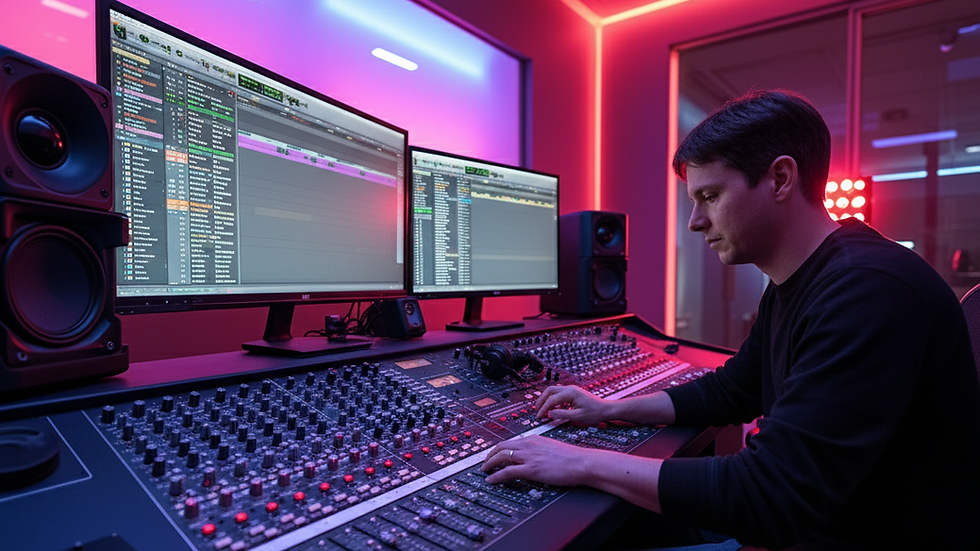
Mixing engineers primarily use digital audio workstations (DAWs) and various plugins. Their background in audio principles allows them to make vital decisions about sound manipulation. Investing in a skilled mixing engineer can take your track from a rough demo to a polished song ready for radio play or streaming platforms.
The Role of a Music Producer
A music producer encompasses a broader range of responsibilities in the creation of a song. Their involvement often starts at the beginning of the project, guiding the entire creative process. Here’s what they typically do:
Concept Development: Collaborating with artists to shape the song's vision.
Arranging: Deciding which instruments to feature and how to structure the song.
For example, a producer may work on the arrangement of a pop song, determining the placement of the chorus for maximum emotional impact. Furthermore, producers handle recording logistics and often play a vital role in budgeting and project management.
Their vision is fundamental to ensuring that all elements of the project work cohesively together. Producers often select mixing engineers based on the sound they want to achieve, setting the stage for a successful collaboration.

Key Differences Between Mixing Engineers and Music Producers
While both roles are essential in music production, their focus varies widely. Here are two primary differences:
Scope of Work: Mixing engineers focus on refining recorded tracks while producers oversee the entire creative process, from concept to completion.
Creative Input: Producers are often intimately involved in songwriting and arrangement, while mixing engineers work primarily with the recorded material to polish the sound.
Being aware of these differences can help you pinpoint who is best suited for your project.
When to Hire a Mixing Engineer
If your songs are fully recorded but need that final touch, a mixing engineer is vital. For example, if your track has multiple guitars, vocals, and drums, a mixing engineer will blend these components to create a polished, radio-ready track.
A mixing engineer can also provide vital feedback on your recordings. If you are uncertain about levels or effects, their advice can guide you to achieve the sound you envision.
When to Hire a Music Producer
On the other hand, if your project is in its infancy and you seek direction on songwriting or arrangement, a music producer is crucial. For instance, if you have a melody but struggle with chord progressions, a producer can help you develop your ideas into a cohesive song.
They also assist in selecting the right musicians, managing recording sessions, and ensuring every aspect runs effectively. If you're looking for someone to help bring your musical ideas to life from the ground up, consider hiring a music producer.
The Importance of Collaboration
Regardless of whether you decide to work with a mixing engineer or a music producer, collaboration is key to a successful project. Open communication ensures that everyone shares the same vision and contributes effectively.
If your project includes both mixing and production, hiring professionals who can work well together can streamline the process. This synergy will help your music reach its full potential, leading to a more impactful final product.
Making the Right Choice for Your Project
Choosing between a mixing engineer and a music producer for your LA project hinges on your specific requirements and where you are in the music-making process. If you need technical expertise to polish your sound, a mixing engineer fits the bill. Conversely, if you need creative support throughout your project, a music producer is the way to go.
By understanding the unique roles of these professionals, you can make a well-informed decision that enhances your music and supports your artistic vision. Whether you choose a mixing engineer, a music producer, or both, the right collaboration can elevate your project beyond your expectations.
Conclusion: Elevate Your Music Production
In conclusion, knowing when to hire a mixing engineer or a music producer can significantly impact your music production journey. Each role brings unique strengths to the table. By leveraging their skills, you can create a final product that resonates with your audience.
Remember, collaboration is key. Open communication and a shared vision will help you achieve the best results. So, take the time to understand your needs and make the right choice for your project.


Comments