Your Gateway to Music Production Tutorials
- nicolas Essig
- Sep 22, 2025
- 4 min read
Starting your journey in music production can feel overwhelming. There are so many tools, techniques, and styles to explore. But don't worry - with the right guidance, you can master the craft step by step. I’m here to help you unlock your potential and dive into the world of music creation with confidence. Whether you want to produce beats, compose melodies, or mix tracks, learning music production online is easier than ever.

Why You Should Learn Music Production Online Today
The internet has revolutionized how we learn new skills. Music production is no exception. Online courses and tutorials offer flexibility, variety, and access to expert knowledge. You can learn at your own pace, revisit lessons anytime, and practice hands-on with your own equipment.
Here’s why learning music production online is a smart choice:
Access to diverse resources: From video tutorials to sample packs and forums, you get everything in one place.
Learn from professionals: Many courses are taught by experienced producers who share insider tips.
Cost-effective: Online learning often costs less than in-person classes or private lessons.
Community support: Join groups and connect with fellow learners to exchange feedback and ideas.
To get started, I recommend checking out music production tutorials that cover the basics. These tutorials break down complex concepts into simple steps, making it easier to grasp the fundamentals.
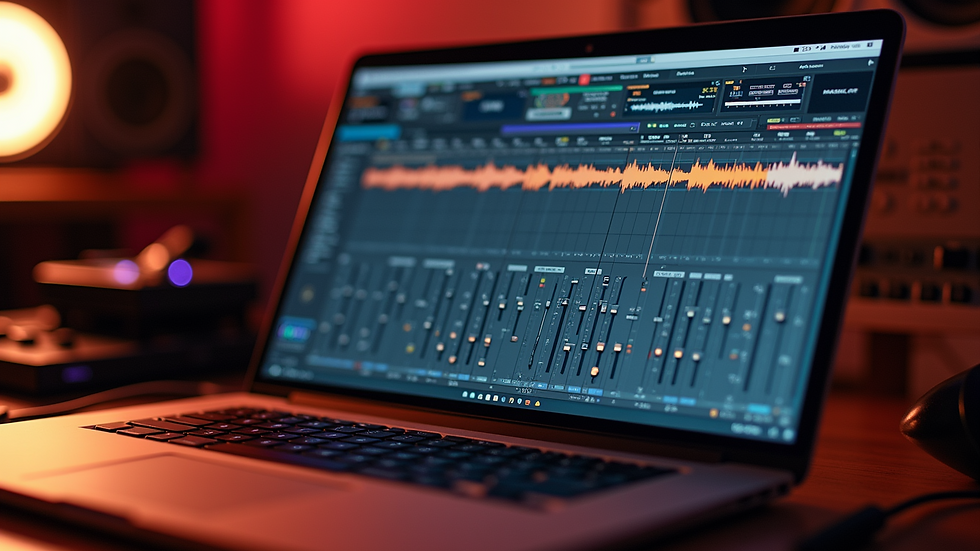
How to Learn Music Production Online: A Step-by-Step Guide
If you’re ready to jump in, here’s a clear path to follow. These steps will help you build a solid foundation and keep your progress on track.
Step 1: Choose Your Digital Audio Workstation (DAW)
Your DAW is the software where you create and edit music. Popular options include Ableton Live, FL Studio, Logic Pro, and GarageBand. Pick one that fits your style and budget.
Step 2: Learn the Basics of Your DAW
Spend time exploring the interface, tools, and workflow. Watch beginner tutorials and practice simple tasks like recording, arranging, and mixing.
Step 3: Understand Music Theory Fundamentals
You don’t need to be a music expert, but knowing scales, chords, and rhythm helps you create better melodies and harmonies.
Step 4: Experiment with Sounds and Samples
Try different instruments, synths, and loops. Play around with effects like reverb and delay to shape your sound.
Step 5: Practice Regularly and Create Projects
Set small goals like making a beat or remixing a song. The more you practice, the faster you improve.
Step 6: Get Feedback and Collaborate
Share your work with friends or online communities. Constructive criticism helps you grow and stay motivated.
Remember, patience and consistency are key. Every producer started as a beginner, and you can too!

Is it Too Late to Start Music Production?
Absolutely not! Age is just a number when it comes to creativity and learning new skills. Many successful producers began their journey well into their twenties or even later.
Here’s why starting now is a great idea:
You have more focus and discipline: Compared to younger learners, you might be better at setting goals and managing your time.
Access to better resources: With maturity, you can invest wisely in quality gear and courses.
Life experience fuels creativity: Your unique perspective can inspire original music.
Technology makes learning easier: Online tutorials and software are designed for all skill levels.
Don’t let doubts hold you back. Embrace your passion and start creating today. The music world needs fresh voices like yours!
Essential Tools and Gear for Beginners
You don’t need a fancy studio to begin producing music. Start simple and upgrade as you grow. Here’s a list of essential gear to get you going:
Computer: A reliable laptop or desktop with enough processing power.
DAW software: Choose one that suits your workflow.
Audio interface: Connect microphones and instruments to your computer.
MIDI controller: A keyboard or pad controller helps you play melodies and beats.
Headphones or studio monitors: Good sound quality is crucial for mixing.
Sample packs and plugins: Expand your sound library with virtual instruments and effects.
Investing in these basics will make your learning experience smoother and more enjoyable. You can find affordable options that deliver great results.
Tips to Stay Motivated and Keep Improving
Learning music production is a journey filled with ups and downs. Here are some tips to keep your enthusiasm high and your skills sharp:
Set clear, achievable goals: Break down big projects into smaller tasks.
Create a dedicated workspace: A comfortable, distraction-free area boosts productivity.
Join online communities: Engage with other producers for support and inspiration.
Watch tutorials regularly: Keep learning new techniques and trends.
Experiment boldly: Don’t be afraid to try new sounds or styles.
Celebrate your progress: Share your music and acknowledge your growth.
Remember, every track you make is a step forward. Stay curious and enjoy the process!
Ready to start your music production adventure? Dive into music production tutorials and unlock your creative potential today!


Comments